Scenes from Spalding at Westminster basketball, Saturday, Jan. 18, 2025, at Westminster College in Fulton, Mo. / Michael Gulledge, Show-Me Hoops
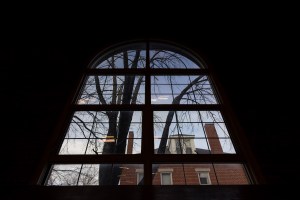
Scenes from Spalding at Westminster basketball, Saturday, Jan. 18, 2025, at Westminster College in Fulton, Mo. / Michael Gulledge, Show-Me Hoops
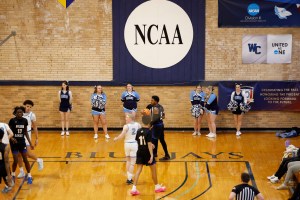
Scenes from Spalding at Westminster basketball, Saturday, Jan. 18, 2025, at Westminster College in Fulton, Mo. / Michael Gulledge, Show-Me Hoops
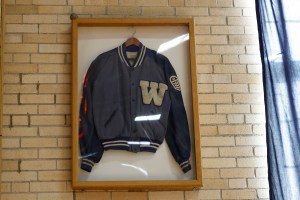
Scenes from Spalding at Westminster basketball, Saturday, Jan. 18, 2025, at Westminster College in Fulton, Mo. / Michael Gulledge, Show-Me Hoops
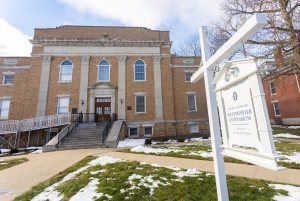
Scenes from Spalding at Westminster basketball, Saturday, Jan. 18, 2025, at Westminster College in Fulton, Mo. / Michael Gulledge, Show-Me Hoops
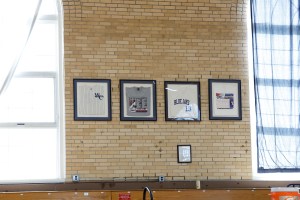
Scenes from Spalding at Westminster basketball, Saturday, Jan. 18, 2025, at Westminster College in Fulton, Mo. / Michael Gulledge, Show-Me Hoops
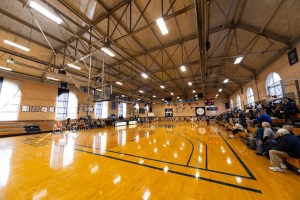
Scenes from Spalding at Westminster basketball, Saturday, Jan. 18, 2025, at Westminster College in Fulton, Mo. / Michael Gulledge, Show-Me Hoops
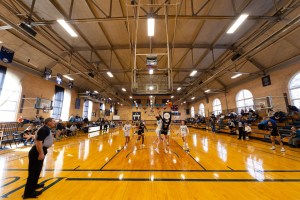
Scenes from Spalding at Westminster basketball, Saturday, Jan. 18, 2025, at Westminster College in Fulton, Mo. / Michael Gulledge, Show-Me Hoops
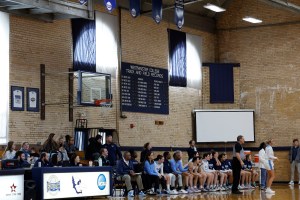
Scenes from Spalding at Westminster basketball, Saturday, Jan. 18, 2025, at Westminster College in Fulton, Mo. / Michael Gulledge, Show-Me Hoops
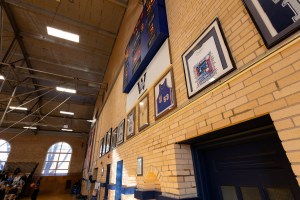
Scenes from Spalding at Westminster basketball, Saturday, Jan. 18, 2025, at Westminster College in Fulton, Mo. / Michael Gulledge, Show-Me Hoops

Scenes from Spalding at Westminster basketball, Saturday, Jan. 18, 2025, at Westminster College in Fulton, Mo. / Michael Gulledge, Show-Me Hoops
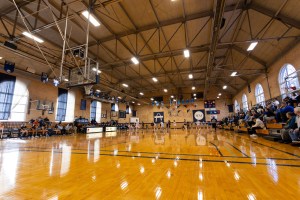
Scenes from Spalding at Westminster basketball, Saturday, Jan. 18, 2025, at Westminster College in Fulton, Mo. / Michael Gulledge, Show-Me Hoops
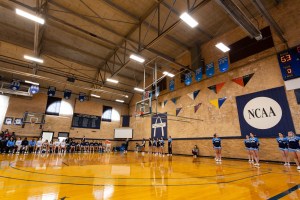
Scenes from Spalding at Westminster basketball, Saturday, Jan. 18, 2025, at Westminster College in Fulton, Mo. / Michael Gulledge, Show-Me Hoops
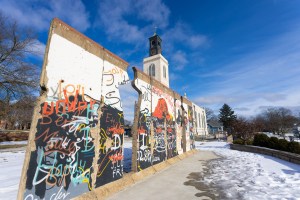
Scenes from Spalding at Westminster basketball, Saturday, Jan. 18, 2025, at Westminster College in Fulton, Mo. / Michael Gulledge, Show-Me Hoops
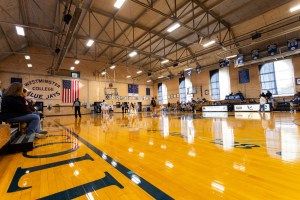
Scenes from Spalding at Westminster basketball, Saturday, Jan. 18, 2025, at Westminster College in Fulton, Mo. / Michael Gulledge, Show-Me Hoops
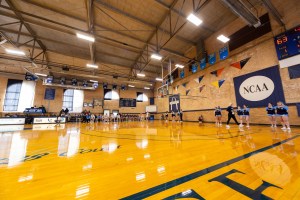
Scenes from Spalding at Westminster basketball, Saturday, Jan. 18, 2025, at Westminster College in Fulton, Mo. / Michael Gulledge, Show-Me Hoops
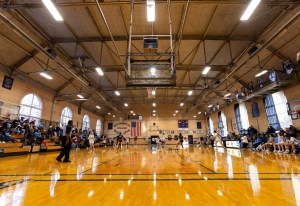
Scenes from Spalding at Westminster basketball, Saturday, Jan. 18, 2025, at Westminster College in Fulton, Mo. / Michael Gulledge, Show-Me Hoops
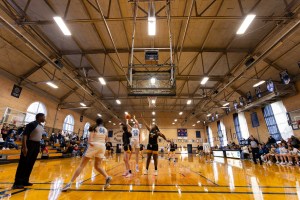
Scenes from Spalding at Westminster basketball, Saturday, Jan. 18, 2025, at Westminster College in Fulton, Mo. / Michael Gulledge, Show-Me Hoops
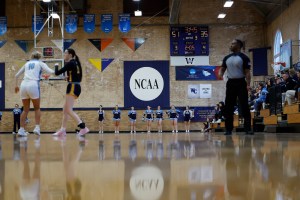
Scenes from Spalding at Westminster basketball, Saturday, Jan. 18, 2025, at Westminster College in Fulton, Mo. / Michael Gulledge, Show-Me Hoops
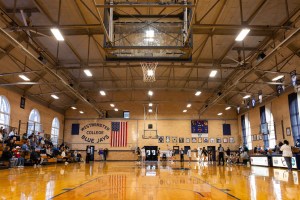
Scenes from Spalding at Westminster basketball, Saturday, Jan. 18, 2025, at Westminster College in Fulton, Mo. / Michael Gulledge, Show-Me Hoops
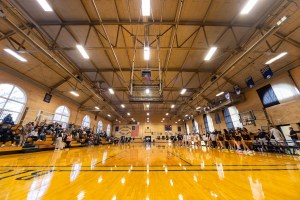
Scenes from Spalding at Westminster basketball, Saturday, Jan. 18, 2025, at Westminster College in Fulton, Mo. / Michael Gulledge, Show-Me Hoops
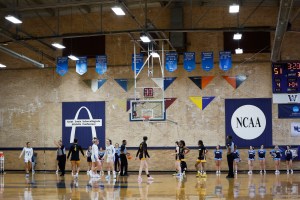
Scenes from Spalding at Westminster basketball, Saturday, Jan. 18, 2025, at Westminster College in Fulton, Mo. / Michael Gulledge, Show-Me Hoops
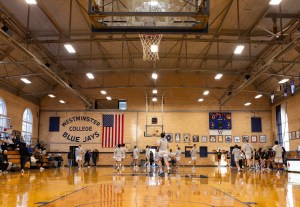
Scenes from Spalding at Westminster basketball, Saturday, Jan. 18, 2025, at Westminster College in Fulton, Mo. / Michael Gulledge, Show-Me Hoops
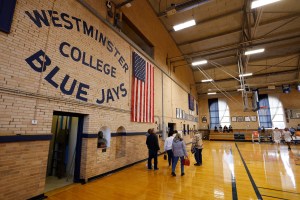
Scenes from Spalding at Westminster basketball, Saturday, Jan. 18, 2025, at Westminster College in Fulton, Mo. / Michael Gulledge, Show-Me Hoops

Scenes from Spalding at Westminster basketball, Saturday, Jan. 18, 2025, at Westminster College in Fulton, Mo. / Michael Gulledge, Show-Me Hoops
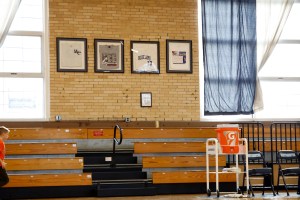
Scenes from Spalding at Westminster basketball, Saturday, Jan. 18, 2025, at Westminster College in Fulton, Mo. / Michael Gulledge, Show-Me Hoops
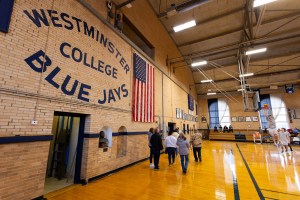
Scenes from Spalding at Westminster basketball, Saturday, Jan. 18, 2025, at Westminster College in Fulton, Mo. / Michael Gulledge, Show-Me Hoops
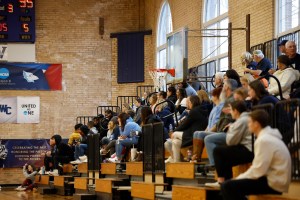
Scenes from Spalding at Westminster basketball, Saturday, Jan. 18, 2025, at Westminster College in Fulton, Mo. / Michael Gulledge, Show-Me Hoops
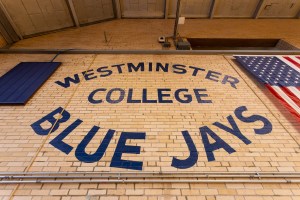
Scenes from Spalding at Westminster basketball, Saturday, Jan. 18, 2025, at Westminster College in Fulton, Mo. / Michael Gulledge, Show-Me Hoops
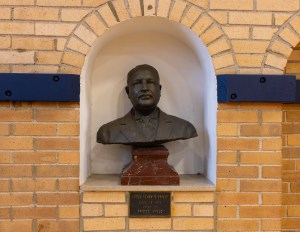
Scenes from Spalding at Westminster basketball, Saturday, Jan. 18, 2025, at Westminster College in Fulton, Mo. / Michael Gulledge, Show-Me Hoops
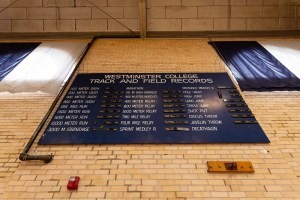
Scenes from Spalding at Westminster basketball, Saturday, Jan. 18, 2025, at Westminster College in Fulton, Mo. / Michael Gulledge, Show-Me Hoops
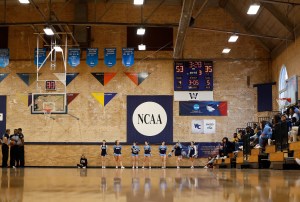
Scenes from Spalding at Westminster basketball, Saturday, Jan. 18, 2025, at Westminster College in Fulton, Mo. / Michael Gulledge, Show-Me Hoops
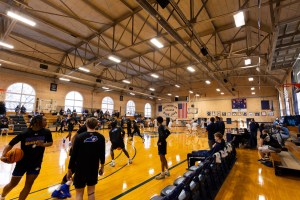
Scenes from Spalding at Westminster basketball, Saturday, Jan. 18, 2025, at Westminster College in Fulton, Mo. / Michael Gulledge, Show-Me Hoops
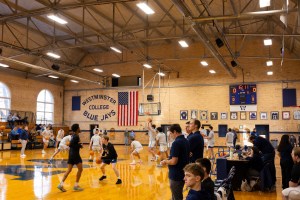
Scenes from Spalding at Westminster basketball, Saturday, Jan. 18, 2025, at Westminster College in Fulton, Mo. / Michael Gulledge, Show-Me Hoops

Scenes from Spalding at Westminster basketball, Saturday, Jan. 18, 2025, at Westminster College in Fulton, Mo. / Michael Gulledge, Show-Me Hoops
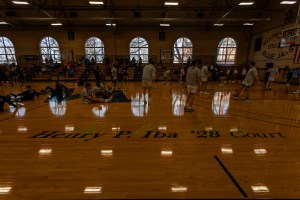
Scenes from Spalding at Westminster basketball, Saturday, Jan. 18, 2025, at Westminster College in Fulton, Mo. / Michael Gulledge, Show-Me Hoops
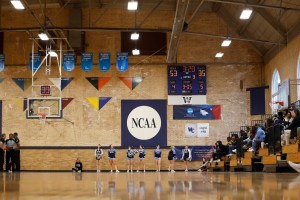
Scenes from Spalding at Westminster basketball, Saturday, Jan. 18, 2025, at Westminster College in Fulton, Mo. / Michael Gulledge, Show-Me Hoops
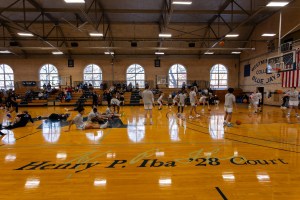
Scenes from Spalding at Westminster basketball, Saturday, Jan. 18, 2025, at Westminster College in Fulton, Mo. / Michael Gulledge, Show-Me Hoops
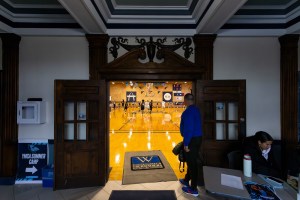
Scenes from Spalding at Westminster basketball, Saturday, Jan. 18, 2025, at Westminster College in Fulton, Mo. / Michael Gulledge, Show-Me Hoops
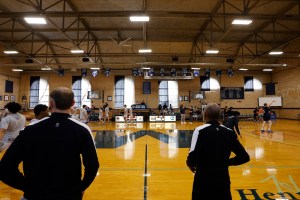
Scenes from Spalding at Westminster basketball, Saturday, Jan. 18, 2025, at Westminster College in Fulton, Mo. / Michael Gulledge, Show-Me Hoops
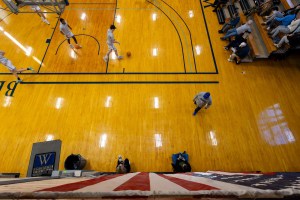
Scenes from Spalding at Westminster basketball, Saturday, Jan. 18, 2025, at Westminster College in Fulton, Mo. / Michael Gulledge, Show-Me Hoops
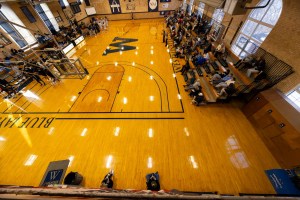
Scenes from Spalding at Westminster basketball, Saturday, Jan. 18, 2025, at Westminster College in Fulton, Mo. / Michael Gulledge, Show-Me Hoops

Scenes from Spalding at Westminster basketball, Saturday, Jan. 18, 2025, at Westminster College in Fulton, Mo. / Michael Gulledge, Show-Me Hoops
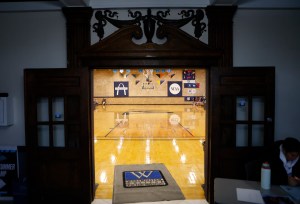
Scenes from Spalding at Westminster basketball, Saturday, Jan. 18, 2025, at Westminster College in Fulton, Mo. / Michael Gulledge, Show-Me Hoops

Scenes from Spalding at Westminster basketball, Saturday, Jan. 18, 2025, at Westminster College in Fulton, Mo. / Michael Gulledge, Show-Me Hoops
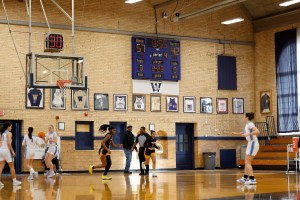
Scenes from Spalding at Westminster basketball, Saturday, Jan. 18, 2025, at Westminster College in Fulton, Mo. / Michael Gulledge, Show-Me Hoops

Scenes from Spalding at Westminster basketball, Saturday, Jan. 18, 2025, at Westminster College in Fulton, Mo. / Michael Gulledge, Show-Me Hoops
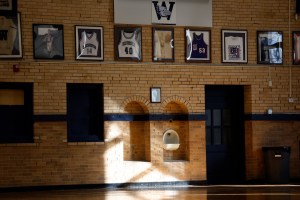
Scenes from Spalding at Westminster basketball, Saturday, Jan. 18, 2025, at Westminster College in Fulton, Mo. / Michael Gulledge, Show-Me Hoops

Scenes from Spalding at Westminster basketball, Saturday, Jan. 18, 2025, at Westminster College in Fulton, Mo. / Michael Gulledge, Show-Me Hoops
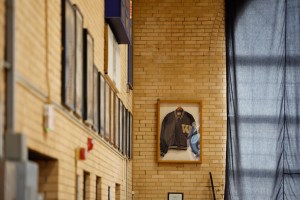
Scenes from Spalding at Westminster basketball, Saturday, Jan. 18, 2025, at Westminster College in Fulton, Mo. / Michael Gulledge, Show-Me Hoops
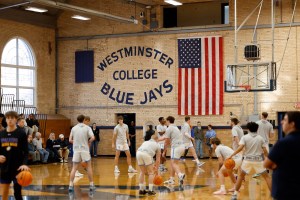
Scenes from Spalding at Westminster basketball, Saturday, Jan. 18, 2025, at Westminster College in Fulton, Mo. / Michael Gulledge, Show-Me Hoops

Scenes from Spalding at Westminster basketball, Saturday, Jan. 18, 2025, at Westminster College in Fulton, Mo. / Michael Gulledge, Show-Me Hoops
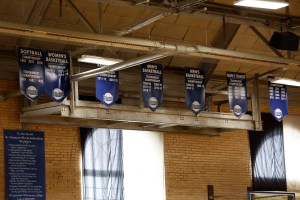
Scenes from Spalding at Westminster basketball, Saturday, Jan. 18, 2025, at Westminster College in Fulton, Mo. / Michael Gulledge, Show-Me Hoops
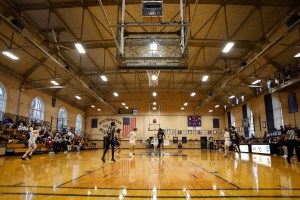
Scenes from Spalding at Westminster basketball, Saturday, Jan. 18, 2025, at Westminster College in Fulton, Mo. / Michael Gulledge, Show-Me Hoops

Scenes from Spalding at Westminster basketball, Saturday, Jan. 18, 2025, at Westminster College in Fulton, Mo. / Michael Gulledge, Show-Me Hoops
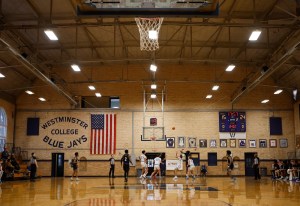
Scenes from Spalding at Westminster basketball, Saturday, Jan. 18, 2025, at Westminster College in Fulton, Mo. / Michael Gulledge, Show-Me Hoops

Scenes from Spalding at Westminster basketball, Saturday, Jan. 18, 2025, at Westminster College in Fulton, Mo. / Michael Gulledge, Show-Me Hoops
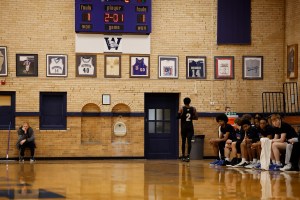
Scenes from Spalding at Westminster basketball, Saturday, Jan. 18, 2025, at Westminster College in Fulton, Mo. / Michael Gulledge, Show-Me Hoops
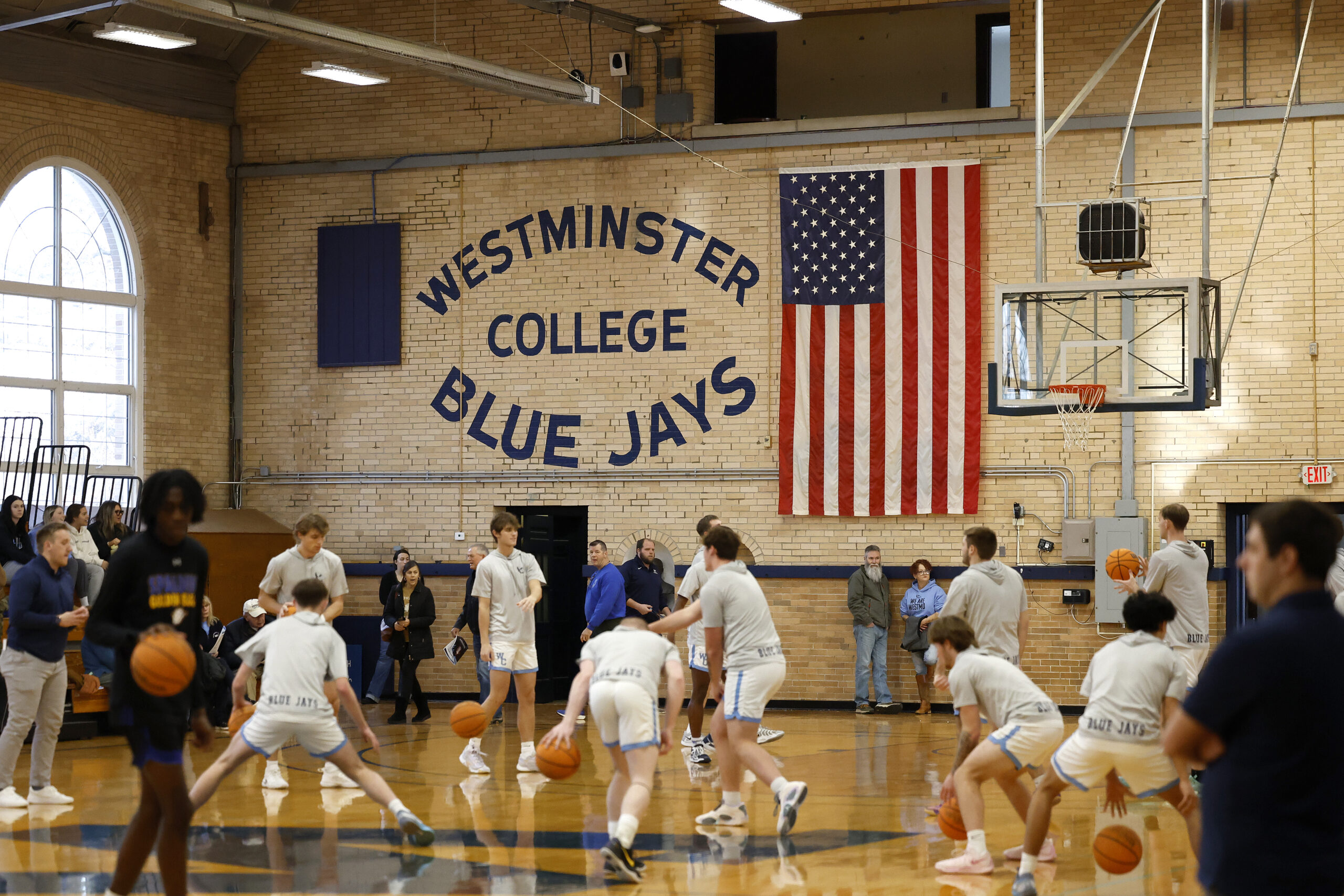
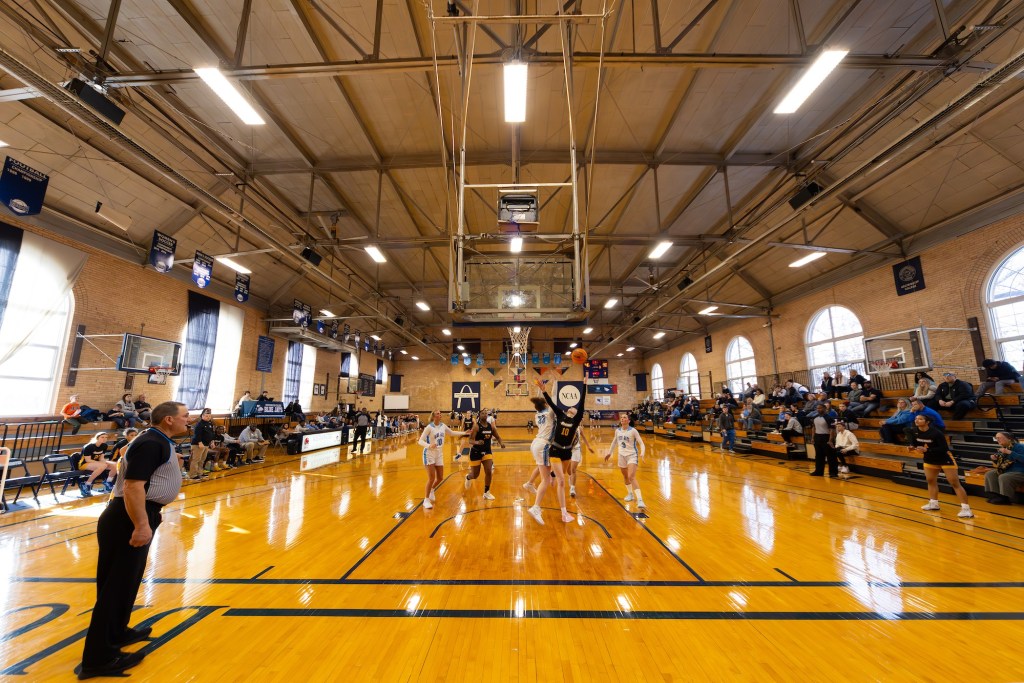 Michael Gulledge, Show-Me Hoops
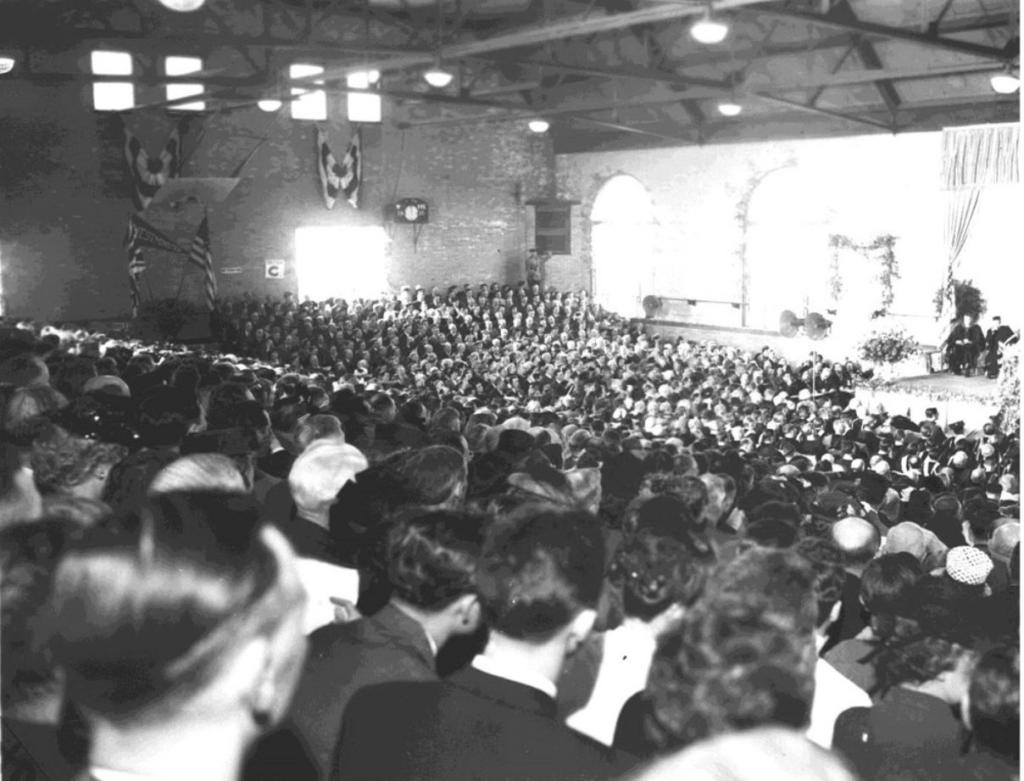
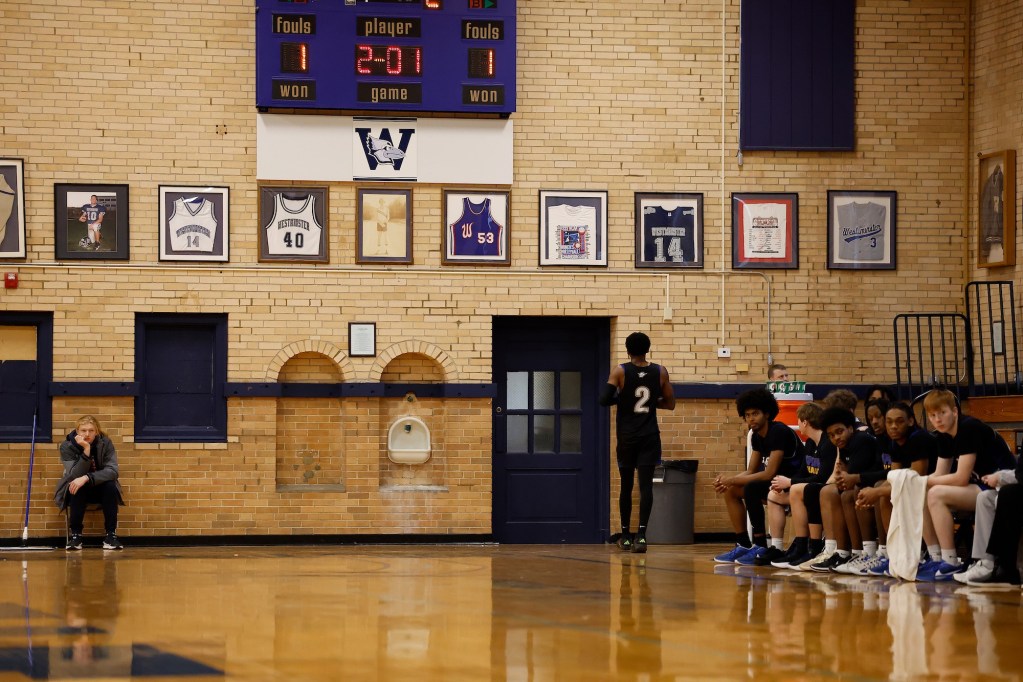 Michael Gulledge, Show-Me Hoops